

We manufacture flavored teas for wholesale buyers across Europe, North America, and Southeast Asia. Earl Grey is consistently in the top three requests we receive—and also the most misunderstood.
Buyers often arrive with a vague brief: "something like Earl Grey, but different." What they usually mean is they want one of the 20 distinct variations we outline below. We put this guide together so that anyone sourcing or selling Earl Grey can speak the same language we do on the factory floor.
A quick note on what makes bergamot difficult to work with at scale: it's a volatile essential oil. The aroma you smell when you first open a tin is the most bergamot you'll ever get from that batch—it fades with time, heat, and exposure to air. Most of the quality differences you notice between Earl Grey brands come down to bergamot concentration, application method, and packaging—not just the tea base. We'll flag this where it matters.
For buyers: The single most important question to ask any Earl Grey supplier is whether they use natural bergamot oil (Citrus bergamia, cold-pressed from Calabrian fruit rind) or synthetic flavoring. Natural oil produces a complex, layered aroma—lemon, grapefruit, and a faint floral note together. Synthetic bergamot is cheaper and more consistent, but typically smells one-dimensional or medicinal. When buyers tell us their current supplier's Earl Grey smells "perfumy," it's almost always a synthetic oil issue.
1. Earl Grey Bergamot Tea (Original / Classic)
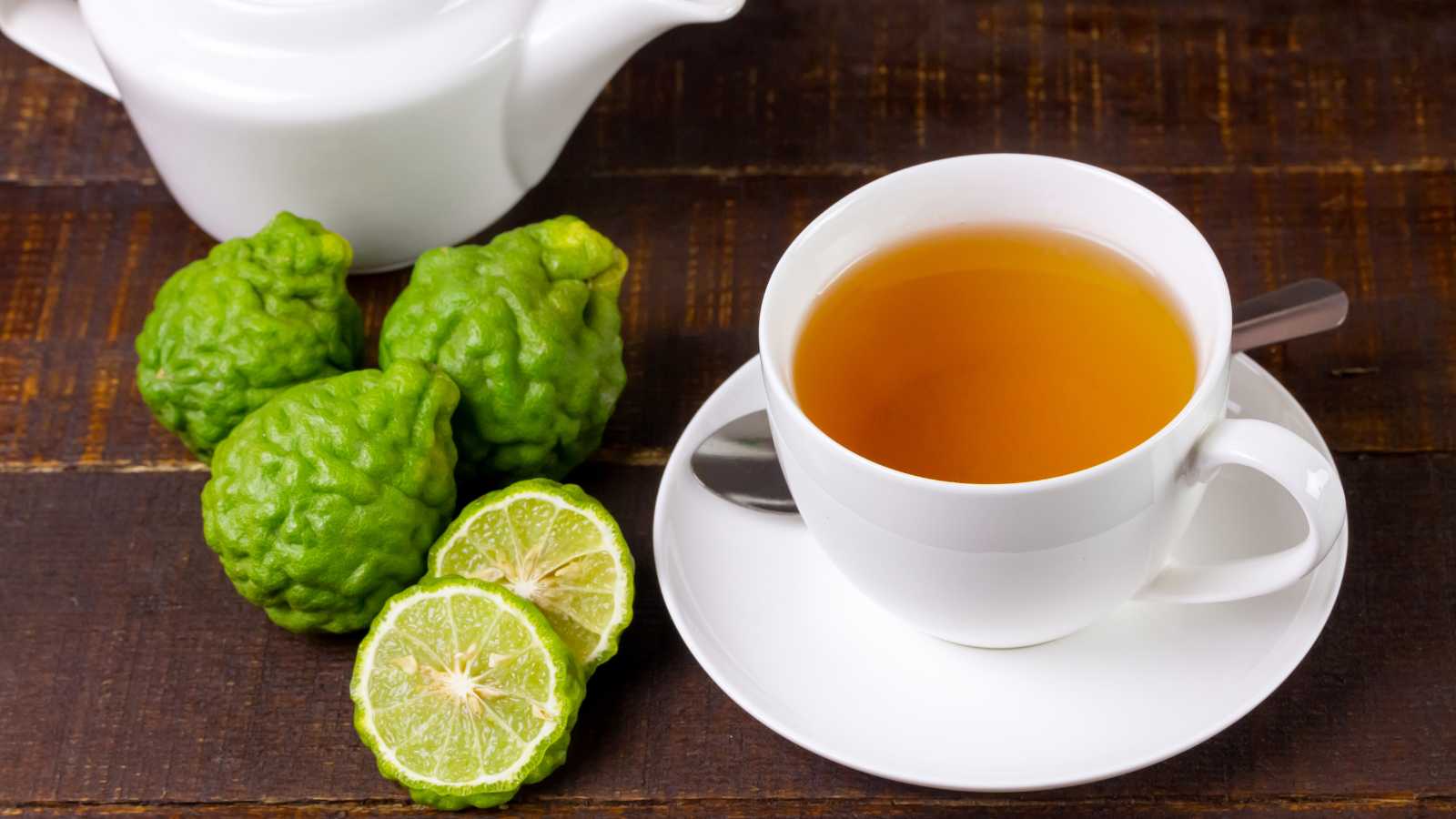
| Tea base | Ceylon, Keemun, or Assam—sometimes blended |
| Bergamot | Calabrian cold-pressed essential oil (Citrus bergamia) |
| Flavor profile | Brisk and malty with bright citrus top notes |
| Best served | Plain, or with a thin slice of lemon |
The original. What most people picture when they hear "Earl Grey." The quality ceiling here is determined by two things: the grade of black tea leaf and whether the bergamot oil is natural or synthetic.
Natural oil from Calabria is fruitier and more complex. Synthetic bergamot tends to taste one-dimensional and slightly medicinal. The tea base matters too—Ceylon produces a brighter, more delicate cup; Assam brings more maltiness and body; Keemun adds a mild, wine-like depth.
For buyers: Ask suppliers directly whether they use natural bergamot oil or artificial flavoring. The price difference is real but so is the quality gap. Also ask for the bergamot's country of origin—Calabrian oil (southern Italy) is the benchmark. Oil sourced elsewhere can be significantly cheaper but noticeably less complex.
2. Decaffeinated Earl Grey
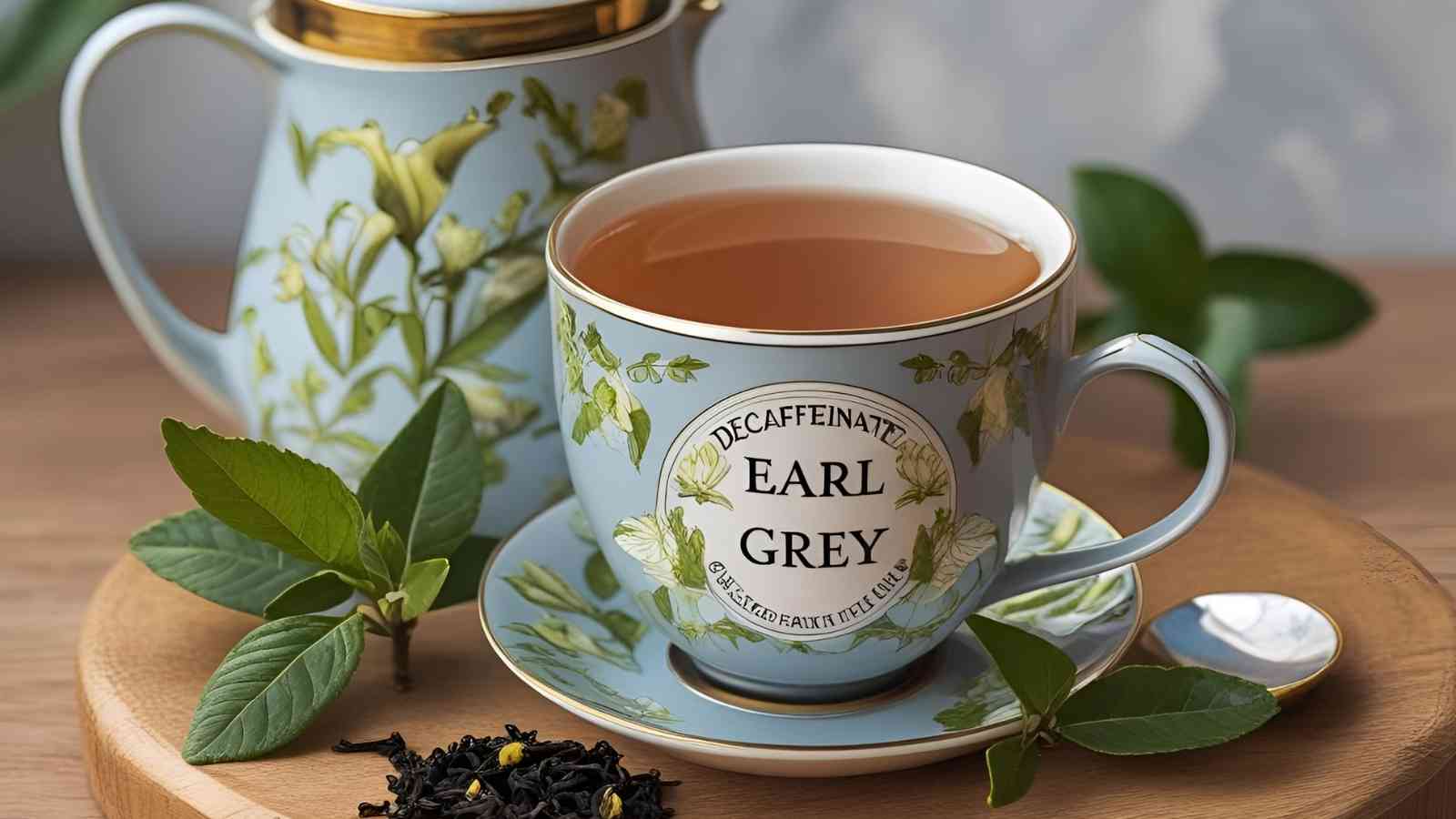
| Tea base | Decaf Ceylon or Assam (CO₂ or water-processed) |
| Bergamot | Same natural oil as regular Earl Grey |
| Flavor profile | Slightly softer than caffeinated; aroma nearly identical |
| Best served | Any time of day; popular as an evening option |
The CO₂ decaffeination method preserves more of the tea's natural flavor than older solvent-based processes. If your supplier uses solvent decaf (ethyl acetate), the resulting tea often has a slightly sweet, artificial note that competes with the bergamot.
Demand for decaf Earl Grey has grown steadily in Western European markets, particularly among buyers targeting older demographics or wellness-focused retail channels.
For buyers: Ask specifically which decaffeination method is used—CO₂ or water process both preserve flavor well; solvent-based (ethyl acetate or methylene chloride) is cheaper but leaves a detectable off-note that sits badly alongside bergamot. This is worth specifying in your purchase order.
3. Earl Grey Intense
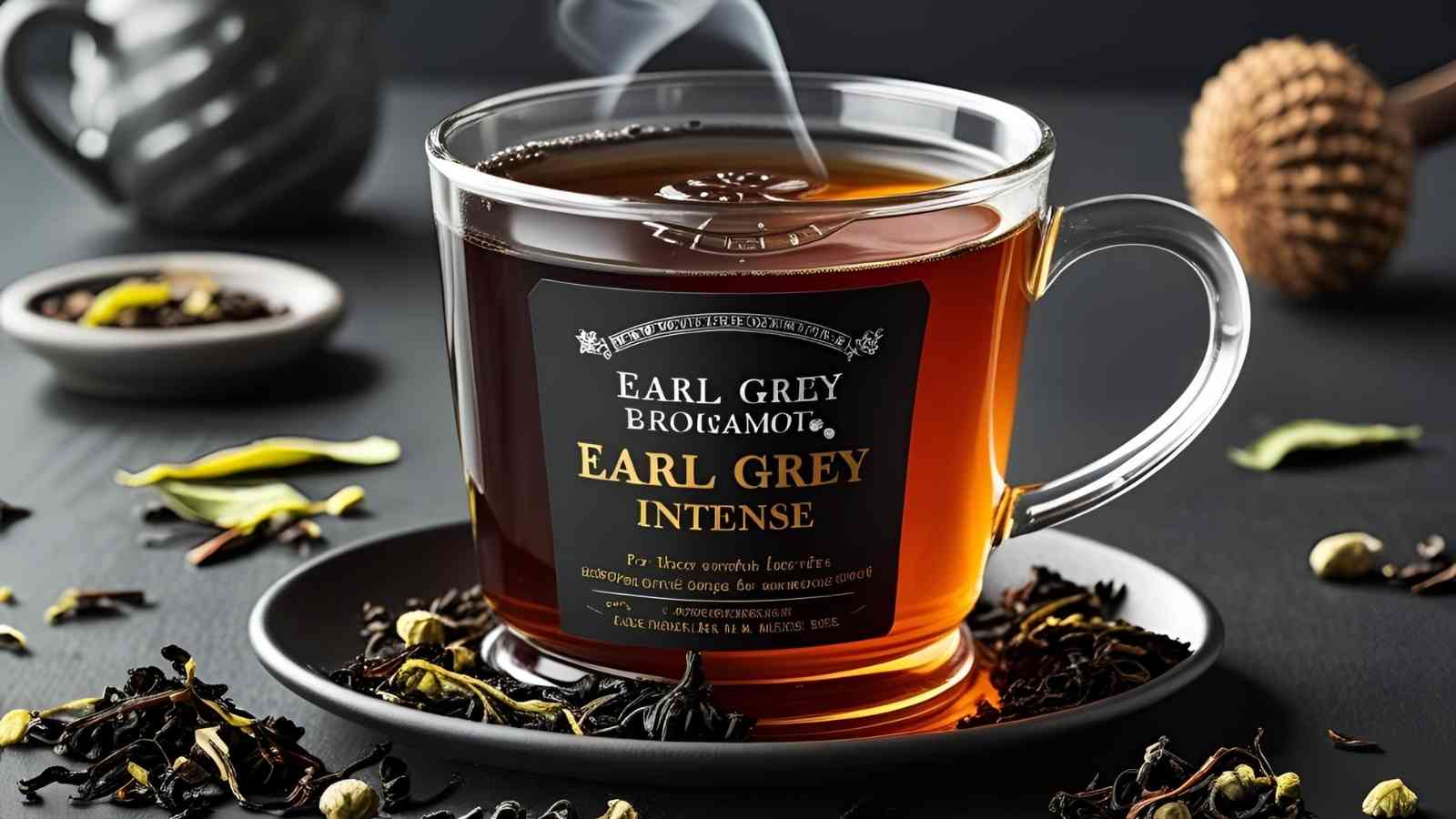
| Tea base | Strong Assam or Kenyan CTC |
| Bergamot level | Higher concentration—typically 1.5–2× standard application |
| Flavor profile | Punchy citrus, bold maltiness; holds up well to milk |
| Best served | With milk, or as the base for a London Fog latte |
Essentially the same formula as classic Earl Grey, but with the bergamot dialed up and a stronger tea base to match. The key is balance—if the base tea isn't strong enough, a high bergamot concentration just smells soapy rather than citrusy.
This works particularly well for food service buyers (cafés, restaurants) where the tea needs to hold its character in milk-based drinks.
For buyers: If you're supplying cafés or tea-latte menus, Earl Grey Intense is worth stocking over classic. The bergamot doesn't disappear into steamed milk the way a standard blend can. Ask your supplier for a sample brewed with milk before committing to a volume order.
4. Russian Earl Grey
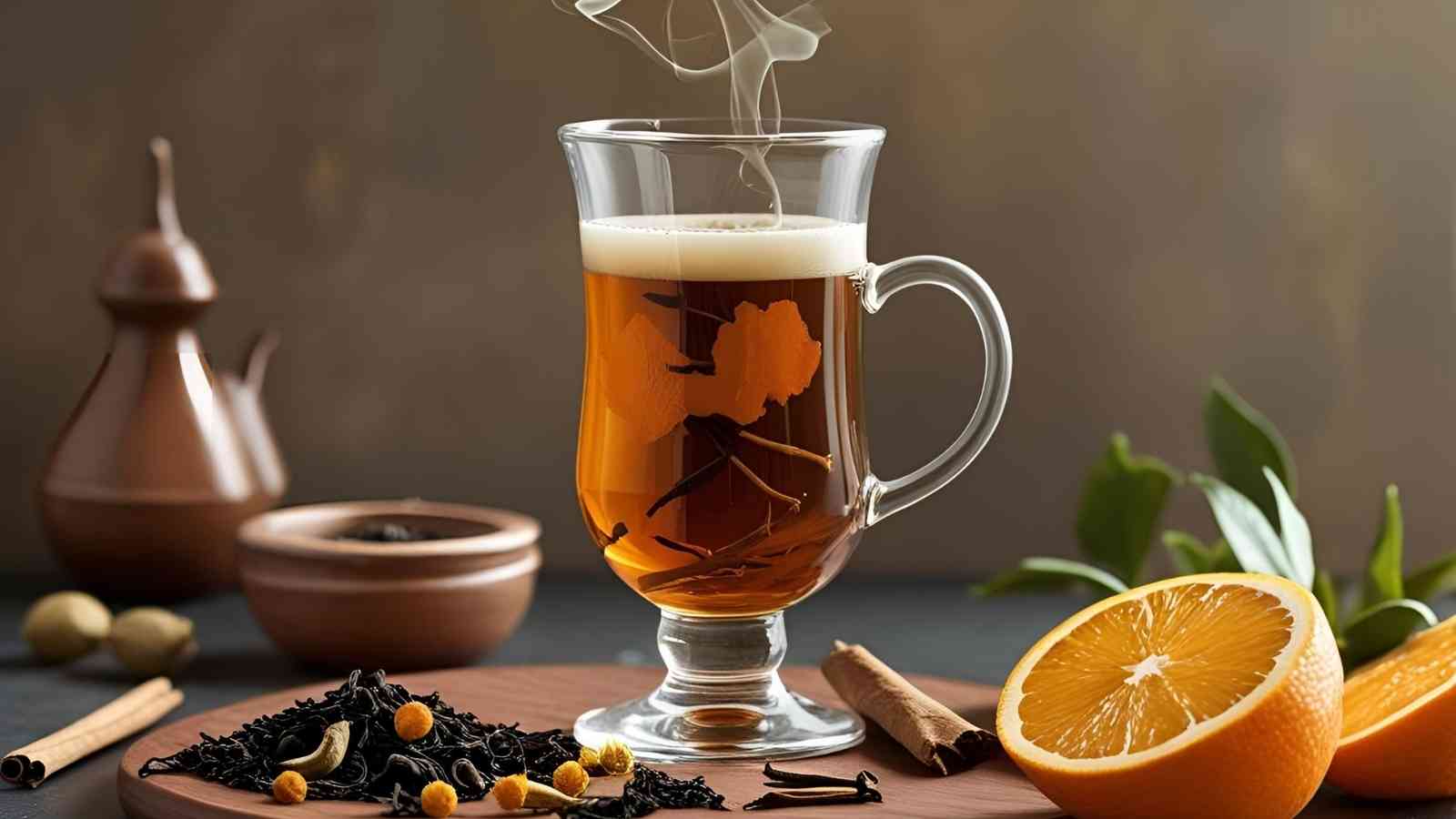
| Tea base | Assam or Chinese black tea |
| Added elements | Lemongrass, orange peel, sometimes grapefruit or lime zest |
| Flavor profile | Broader citrus layering than classic; slightly herbal |
| Best served | Plain, or with honey |
"Russian Earl Grey" isn't a protected term—you'll see it used inconsistently across suppliers. What most versions share is the addition of lemongrass and citrus peel alongside bergamot, creating a citrus profile that's broader and more layered than the original.
Some blends include cornflower petals for visual appeal. These don't significantly change the flavor but they photograph well, which matters for retail packaging.
For buyers: Because "Russian Earl Grey" has no standard definition, check the ingredient list carefully before ordering. Some suppliers use it to mean simply "Earl Grey with lemongrass"; others add four or five citrus elements. Make sure the blend matches your target customer's expectations, especially if you're labeling it yourself.
5. Earl Grey Cream (London Fog Base)
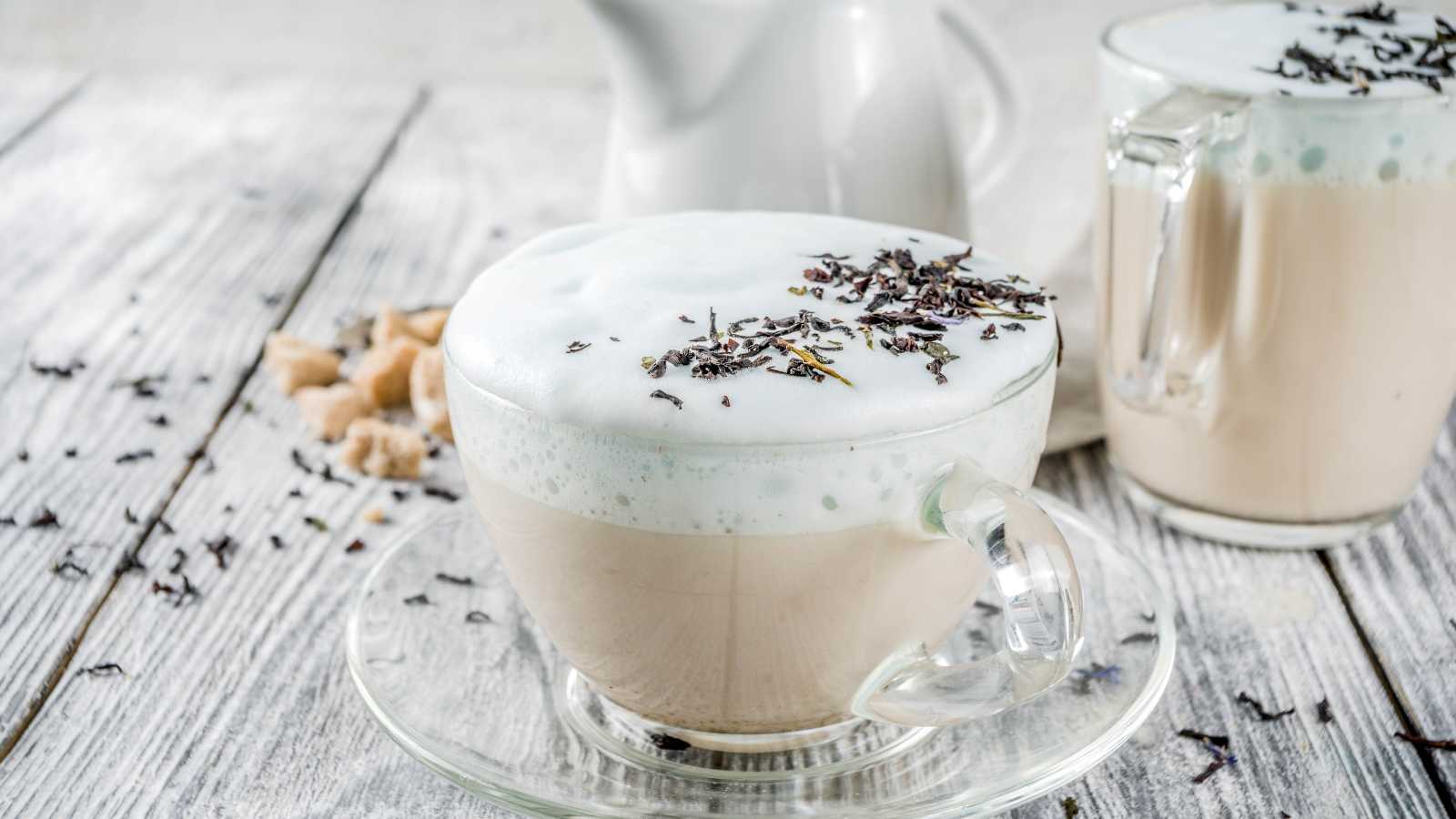
| Tea base | Ceylon or Assam black tea |
| Added elements | Vanilla (Madagascar Bourbon grade recommended) |
| Flavor profile | Softer than classic; vanilla rounds out bergamot's sharp edges |
| Best served | With steamed milk; excellent as a London Fog |
This is the version that turned a lot of non-tea-drinkers into Earl Grey fans. The vanilla doesn't overwhelm the bergamot—it softens it, making the blend more approachable for people who find classic Earl Grey too perfumy.
One thing to watch: vanilla quality matters a lot here. Cheap vanillin (synthetic) has a slightly artificial sweetness that most tasters can detect. Madagascar Bourbon vanilla produces a cleaner, caramel-adjacent note that pairs much better with bergamot.
For buyers: This blend is increasingly ordered by café chains as their default London Fog base. If you're selling into food service, ask your supplier whether they use natural vanilla extract or vanillin—the difference is detectable in a latte and will affect repeat orders from quality-conscious operators.
6. Earl Grey Lavender Black Tea (French Earl Grey)
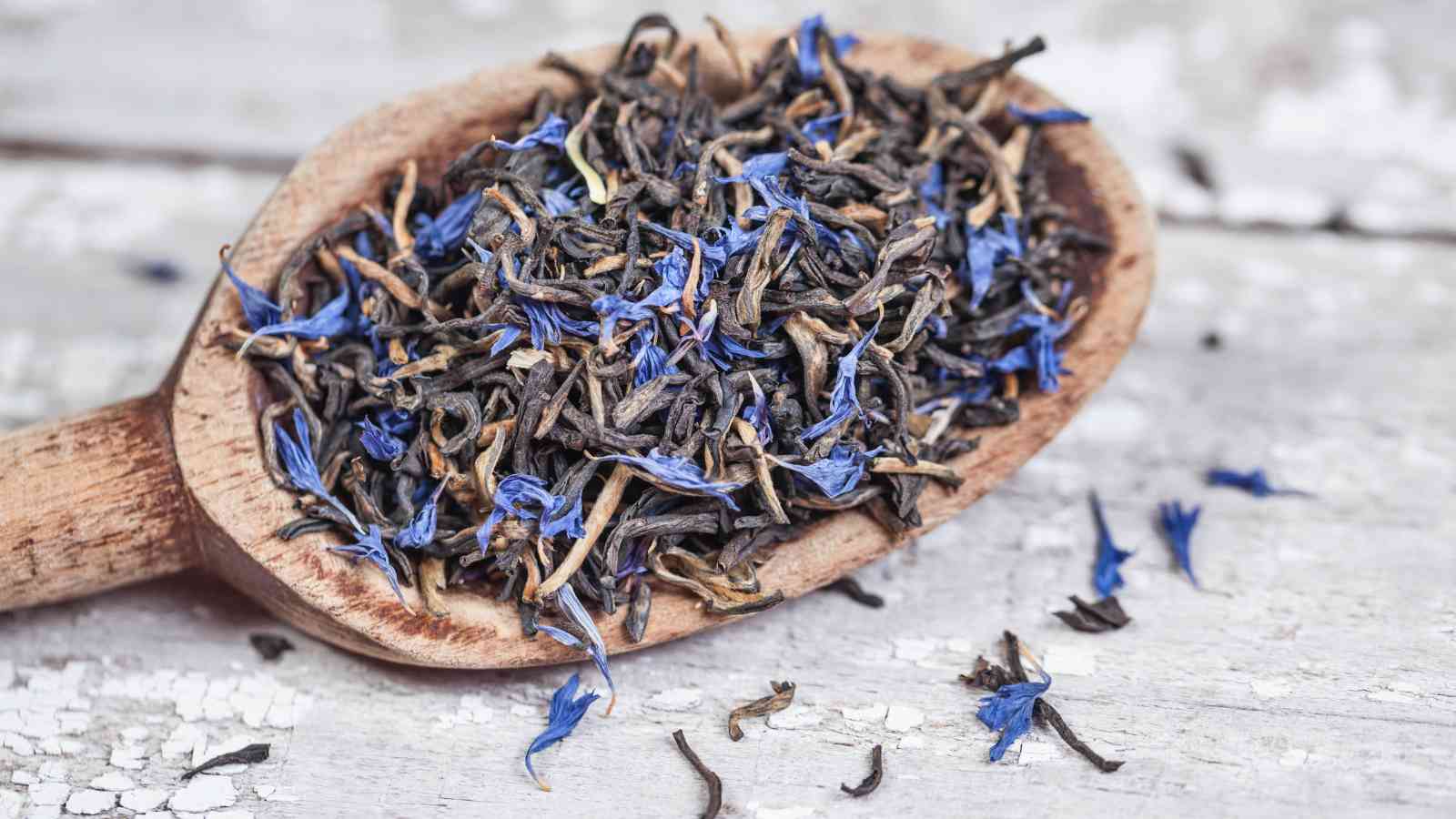
| Tea base | Ceylon or Darjeeling |
| Added elements | Dried lavender flowers (Provence-grade preferred) |
| Flavor profile | Floral and calm; bergamot's brightness softened |
| Best served | Plain, or with a small amount of honey |
The pairing works because lavender and bergamot are both floral-citrus in character—they sit in the same flavor neighborhood rather than competing. The risk is using too much lavender, which tips the tea into soap territory.
We typically recommend a lavender ratio of no more than 3–5% of total blend weight. Above that, the floral note starts to dominate and you lose the Earl Grey identity.
For buyers: Lavender ratio is the variable that matters most in this blend. Ask for the percentage by weight before ordering. Under 3% and the lavender barely registers; over 6% and it overwhelms the bergamot. The 3–5% range is where the balance works. Also confirm Provence origin—lavender from other regions can have a harsher, more medicinal character.
7. Earl Grey White Tea
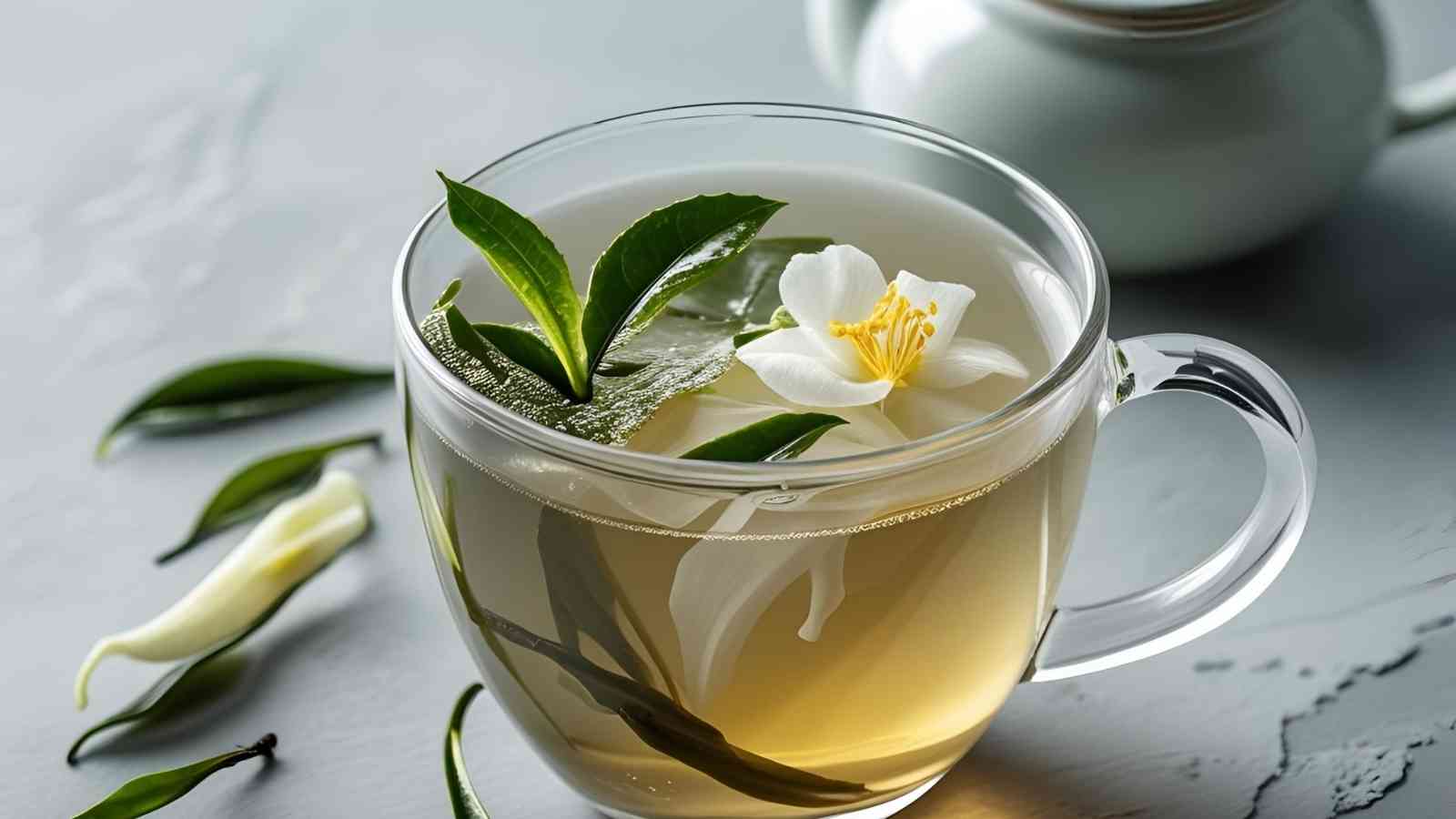
| Tea base | Silver Needle or Bai Mu Dan white tea |
| Flavor profile | Delicate; honeyed sweetness with gentle bergamot |
| Brew temperature | 80°C / 176°F — higher temperatures flatten the white tea character |
| Best served | Plain; no milk |
The challenge with this blend is dosing. White tea is subtle—over-apply bergamot and you'll completely mask the tea. Under-apply and buyers wonder why it doesn't taste like Earl Grey. We've found that about 60–70% of standard bergamot application is the right range for white tea bases.
This version appeals particularly to consumers who find black tea too astringent but still want Earl Grey's aromatic quality.
For buyers: White Earl Grey is harder to produce consistently than black tea versions because the base tea is more delicate and the bergamot dosing window is narrower. Request multiple samples at different bergamot strengths before finalizing a formula—what works at one concentration can taste completely wrong at a slightly higher one.
8. Green Earl Grey
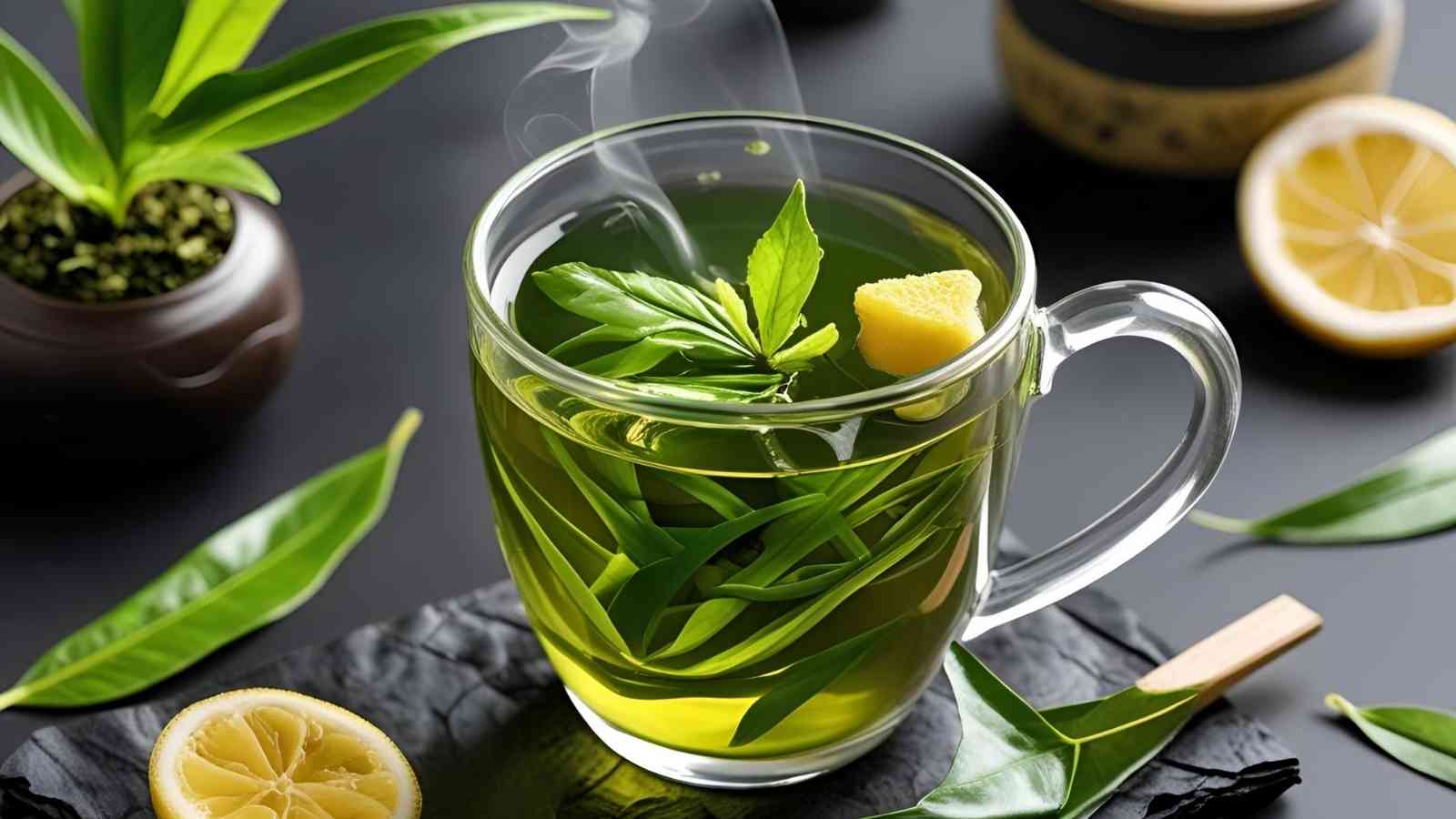
| Tea base | Sencha, Dragon Well, or mild Chinese green tea |
| Flavor profile | Fresh and vegetal with clean citrus; lighter caffeine hit than black |
| Brew temperature | 75–80°C / 167–176°F |
| Best served | Plain, or iced |
Green Earl Grey is worth knowing about if you're targeting the Japanese or Taiwanese market, where green tea is the default frame of reference. The bergamot reads differently over a green base—it's brighter and less assertive, almost yuzu-like.
Matcha Earl Grey is a variation in this category that's been gaining traction, though the flavor combination is polarizing—not everyone wants bergamot in their matcha.
For buyers: Green tea bases are more temperature-sensitive than black. If your end customers are likely to use boiling water (common in markets where tea is brewed casually), include a brew guide with this product—overbrewing green Earl Grey produces a bitter, unpleasant cup that will generate complaints even when the tea itself is good quality.
9. Earl Grey Pu-erh
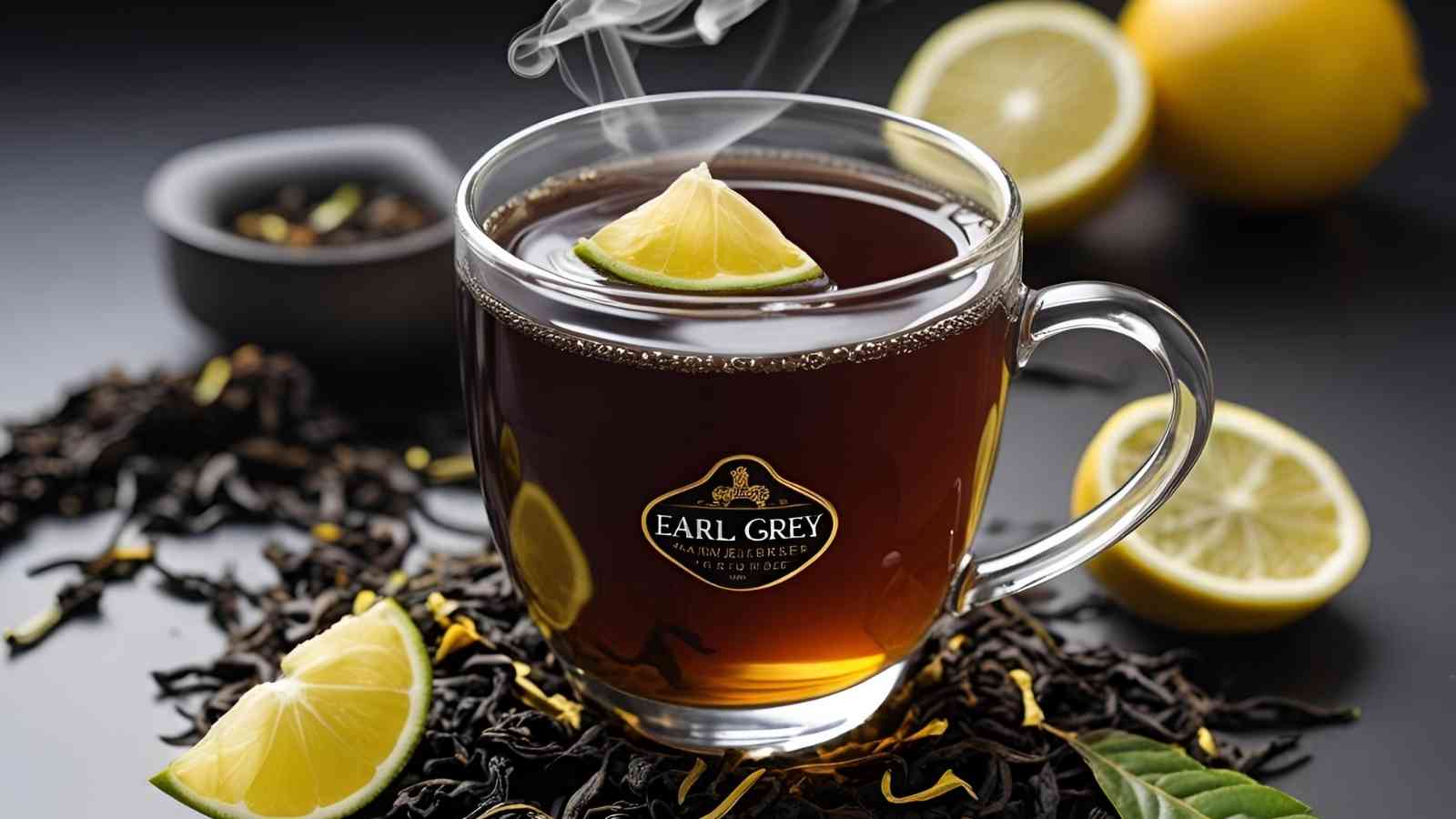
| Tea base | Shou (ripe) or sheng (raw) pu-erh from Yunnan |
| Flavor profile | Earthy and deep; bergamot provides a bright counterpoint |
| Best served | Plain, after meals |
| Market fit | Niche; specialty retailers and gift sets |
This is a genuine novelty—the earthy fermentation notes of pu-erh and the bright citrus of bergamot shouldn't work together as well as they do. Shou pu-erh (the aged, darker variety) produces a richer base that holds up better to bergamot than sheng.
For buyers: This isn't a volume product—don't stock it expecting the reorder frequency of classic Earl Grey. It sells best in sampler sets, gift boxes, and specialty tea shops where the novelty factor justifies the premium. It's also worth noting that pu-erh quality varies enormously; ask for the production year and region, not just "Yunnan pu-erh."
10. Peach Earl Grey
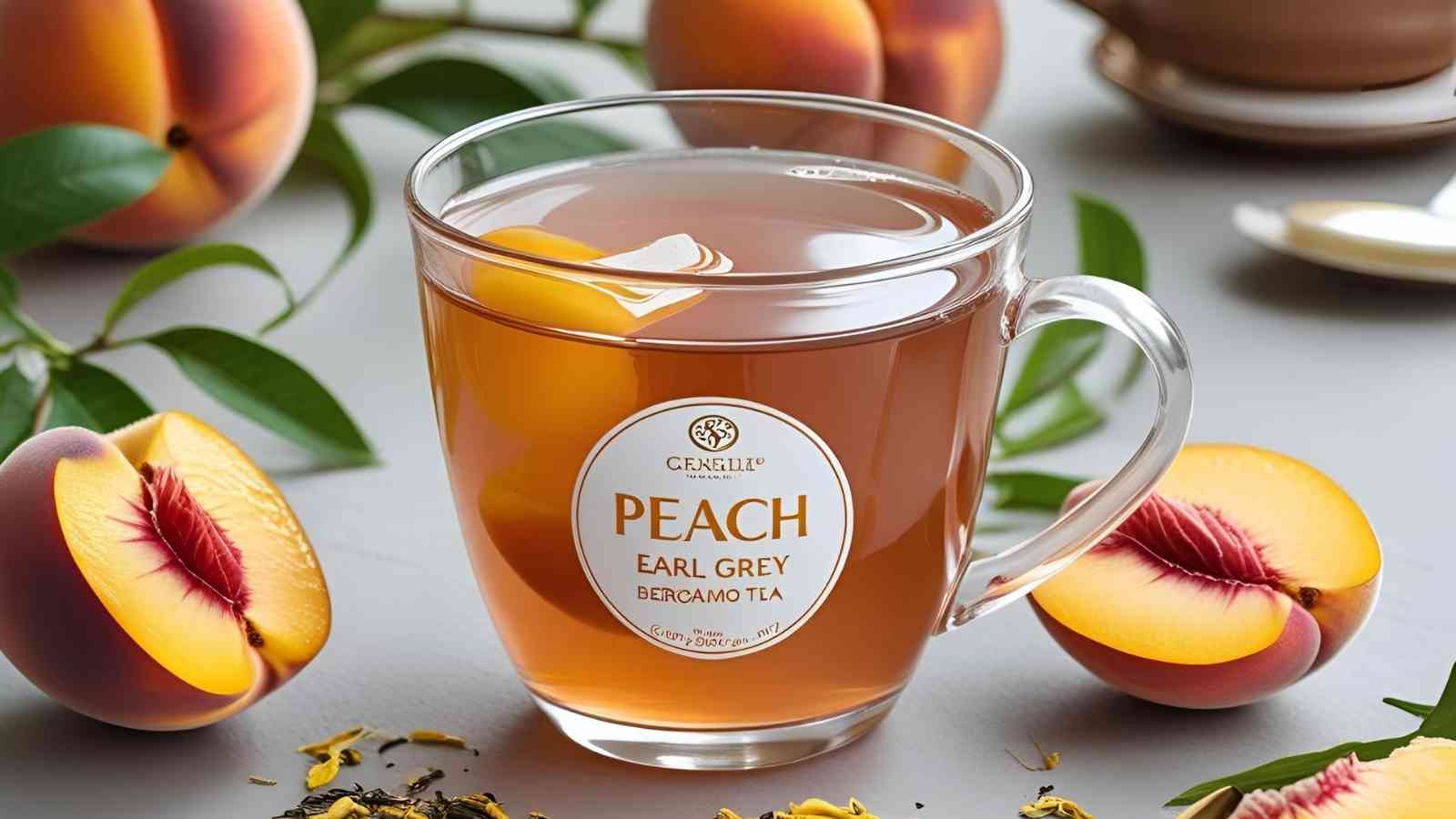
| Tea base | Ceylon or Darjeeling (lighter than Assam—lets the fruit show) |
| Flavor profile | Stone fruit sweetness layered with bright bergamot |
| Best for | Iced tea; summer retail; younger demographics |
One of the best-selling fruit Earl Grey variants across most markets. The peach-bergamot combination is intuitive—both are fragrant and slightly sweet, and the acidity of peach amplifies bergamot's citrus quality rather than competing with it.
For buyers: There's a meaningful quality difference between blends that contain real freeze-dried peach pieces versus those that use peach flavoring alone. The former is visually distinguishable in loose leaf and produces a fuller, more authentic flavor. Ask to see the ingredient list and, ideally, the unblended leaf before ordering. Flavoring-only versions will be noticeably cheaper—whether that matters depends on your market positioning.
11. Raspberry Earl Grey
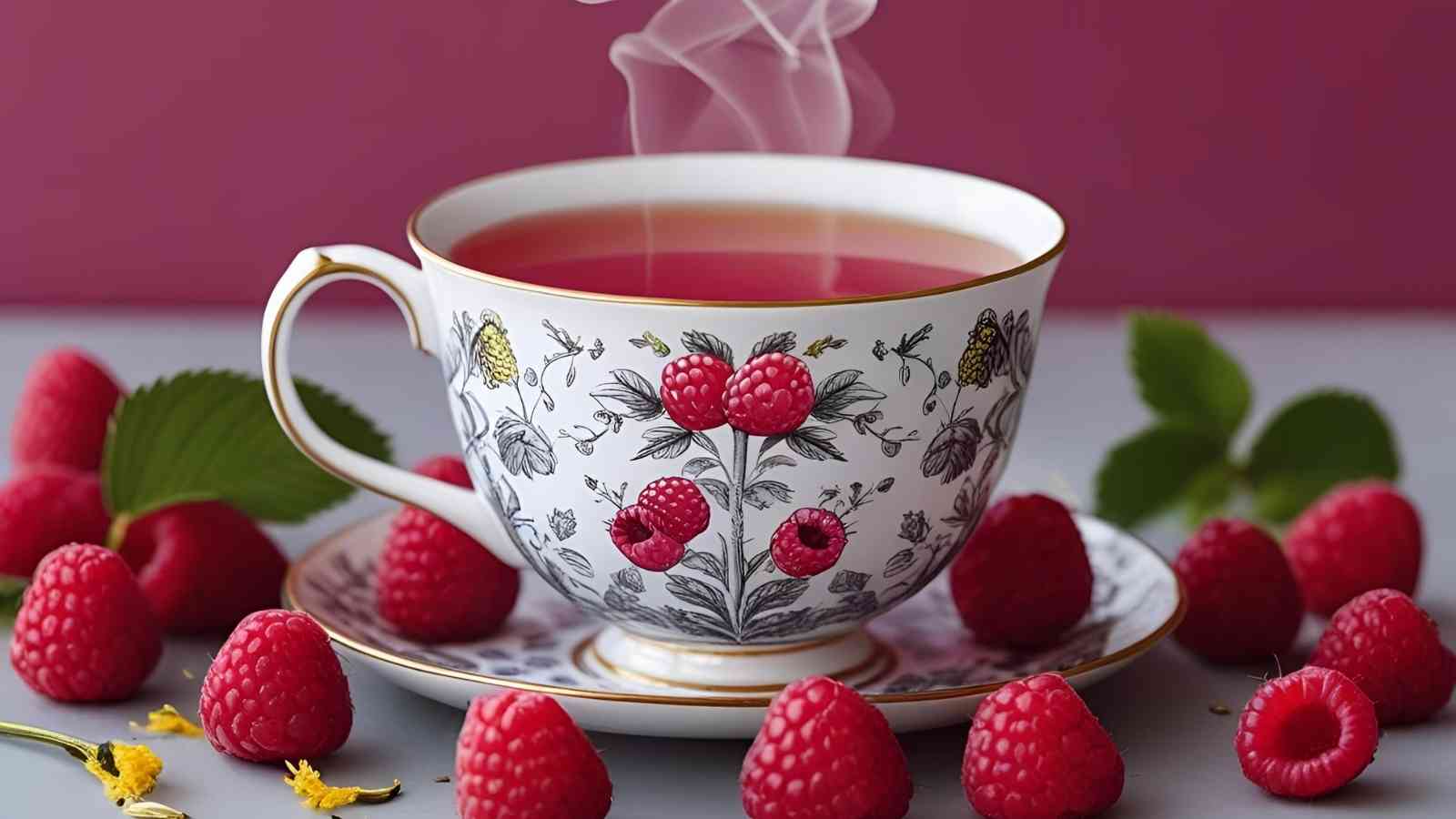
| Tea base | Ceylon or Kenyan black tea |
| Flavor profile | Tart and bright; berry character is vivid |
| Best for | Iced tea; blending base for tea mocktails |
Raspberry is more acidic than peach, which creates a different effect—it sharpens the bergamot rather than softening it. Some buyers add hibiscus to this blend for deeper red color and extra tartness, which works well visually for iced tea products.
For buyers: If you're selling this as an iced tea product, the color matters almost as much as the flavor. Hibiscus addition gives a vivid red that photographs well and reads as "premium" to consumers. Ask whether hibiscus is included and at what ratio—too much and it dominates; too little and the brew looks pale.
12. Earl Grey Fruit Blend
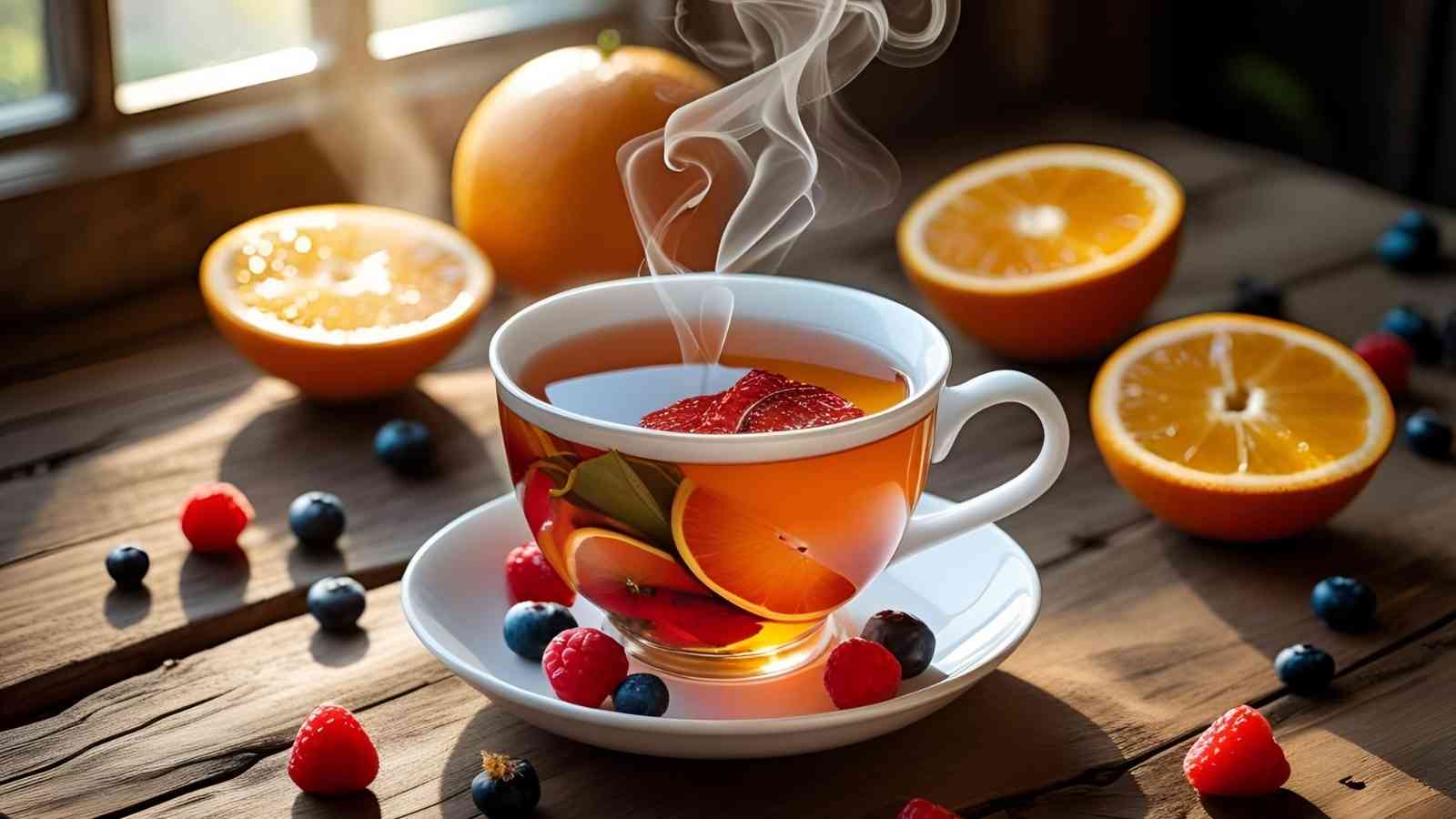
| Tea base | Ceylon or Assam |
| Common fruits | Mango, pineapple, orange peel, lemon peel |
| Flavor profile | Tropical and lively; bergamot provides structure |
The risk with multi-fruit Earl Greys is muddy flavor. Too many fruits competing can obscure the bergamot entirely and the result just tastes "fruity" without any Earl Grey character. The most successful blends limit it to two complementary fruits maximum.
For buyers: Ask for a full ingredient list and pay attention to the order—ingredients are typically listed by weight, so if "natural flavoring" appears before any named fruit, you're getting mostly flavoring rather than real fruit pieces. For premium positioning, visible fruit pieces in the leaf matter to consumers at point of sale.
13. Blueberry Earl Grey
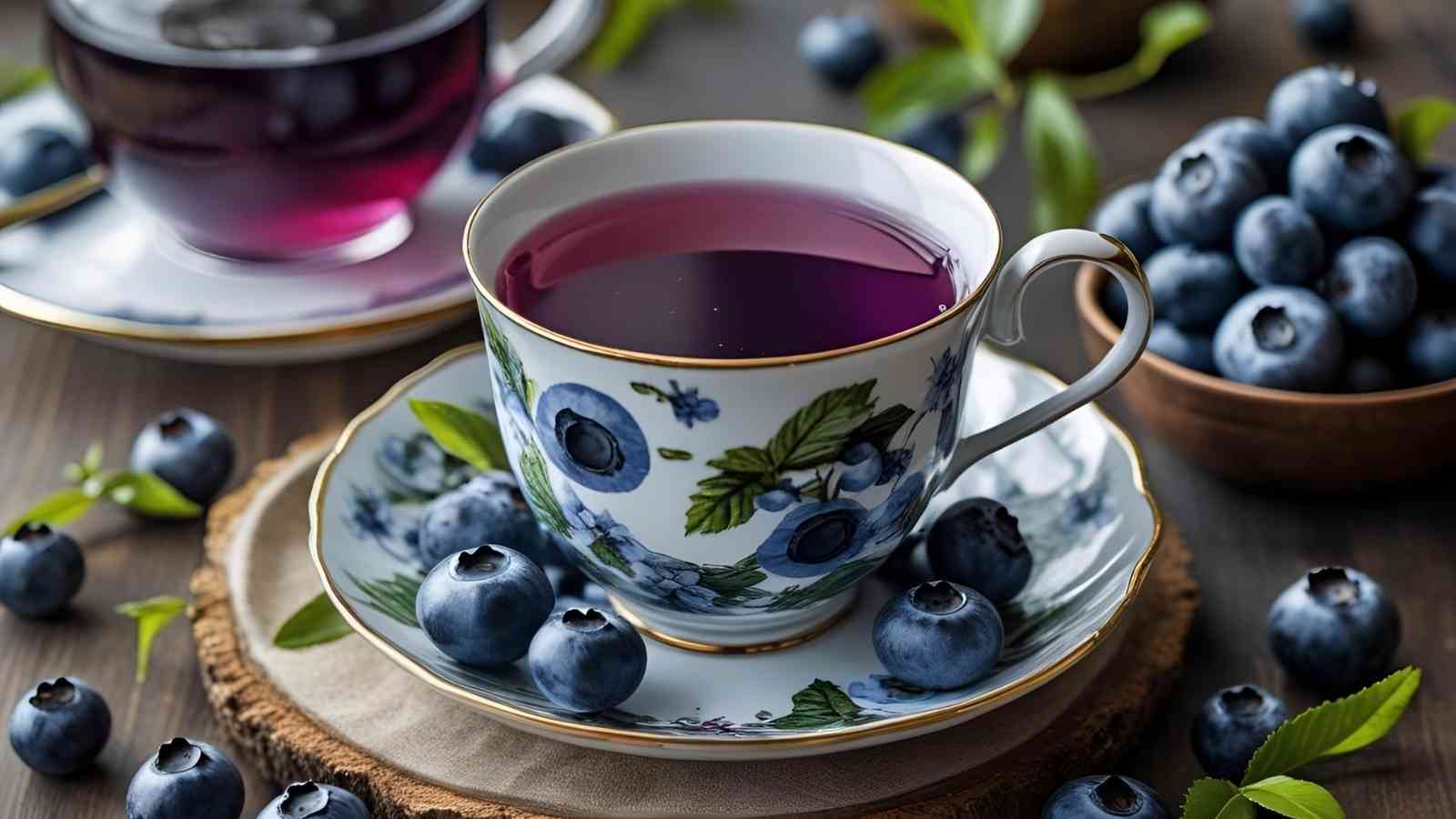
| Tea base | Ceylon or Darjeeling |
| Flavor profile | Jammy and slightly tart; deep berry character |
| Pairing note | Lavender or violet can bridge the fruit and bergamot |
Blueberry's natural tannins create an interesting interaction with black tea—the result is richer and more structured than you'd expect from a fruit blend. Some blenders add a small amount of lavender or violet to help tie the blueberry and bergamot together, and it works better than it sounds.
For buyers: Freeze-dried blueberries hold their shape and color in loose leaf blends much better than dried blueberry pieces, which tend to go sticky and clump in humid conditions. Ask which form your supplier uses—this affects both shelf stability and visual quality over the product's life.
14. Floral Earl Grey
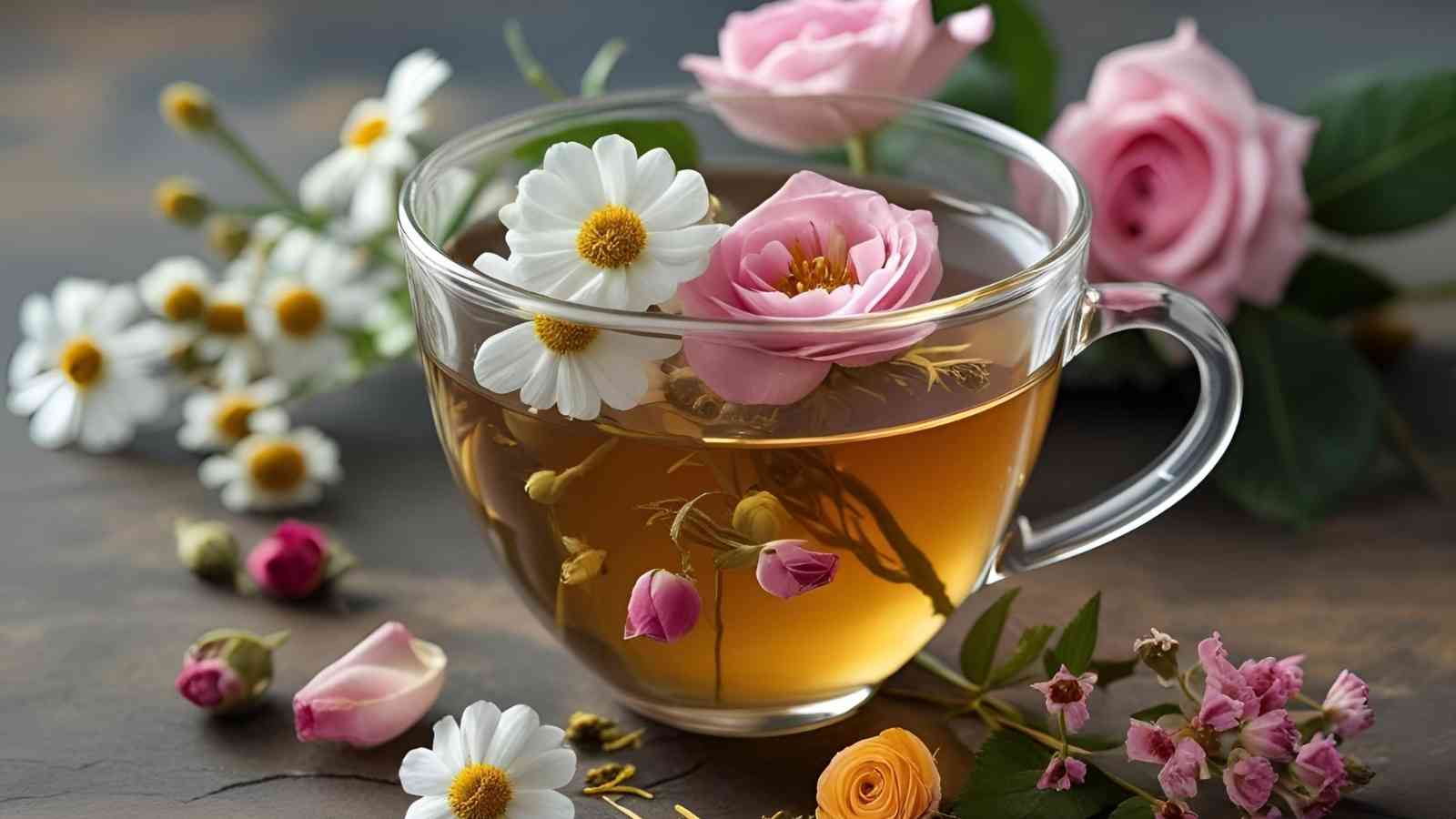
| Tea base | Darjeeling or Ceylon |
| Flowers used | Combination of lavender, rose, and cornflower |
| Flavor profile | Romantic and layered; bergamot takes a supporting role |
The visual appeal of this blend is part of its selling point—whole petals in the leaf mix photograph well and signal quality at point of sale. The flavor is gentler than classic Earl Grey; buyers should know their customers prefer floral teas before ordering this variety.
For buyers: Whole dried flower petals are significantly more expensive than petal fragments or floral flavoring. Check whether the flowers in the blend are whole or broken—this is visible in a sample. Whole petals justify a premium retail price; fragments are better suited to teabag format where appearance inside the bag is irrelevant.
15. Cornflower Earl Grey
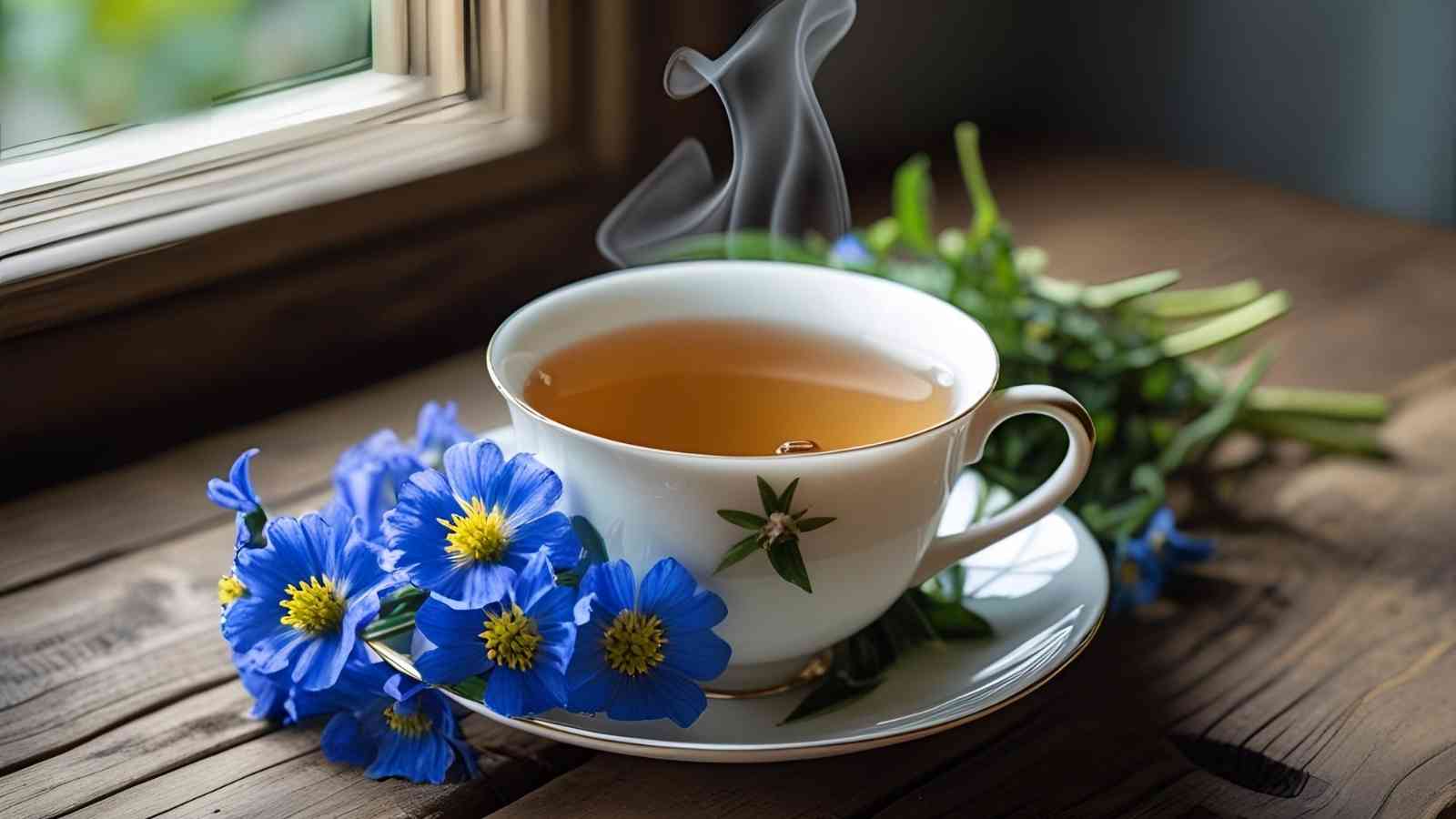
| Tea base | Ceylon or Keemun |
| Role of cornflower | Visual primarily; minor honey-floral note |
| Flavor profile | Very close to classic Earl Grey with subtle botanical softness |
Cornflower petals are one of the most common additions to premium-positioned Earl Grey for a simple reason: they're visually striking in a dark tea leaf blend without significantly altering the taste. Think of them as a quality signal rather than a flavor ingredient.
For buyers: Cornflower is often used as a visible indicator of premium quality in retail packaging—the blue petals stand out clearly against dark leaf and read as "artisan" to consumers. If you're selling loose leaf in transparent packaging, the visual effect is worth the cost. For teabags where the leaf isn't visible, cornflower addition adds cost with no consumer-facing benefit.
16. Earl Grey Cinnamon
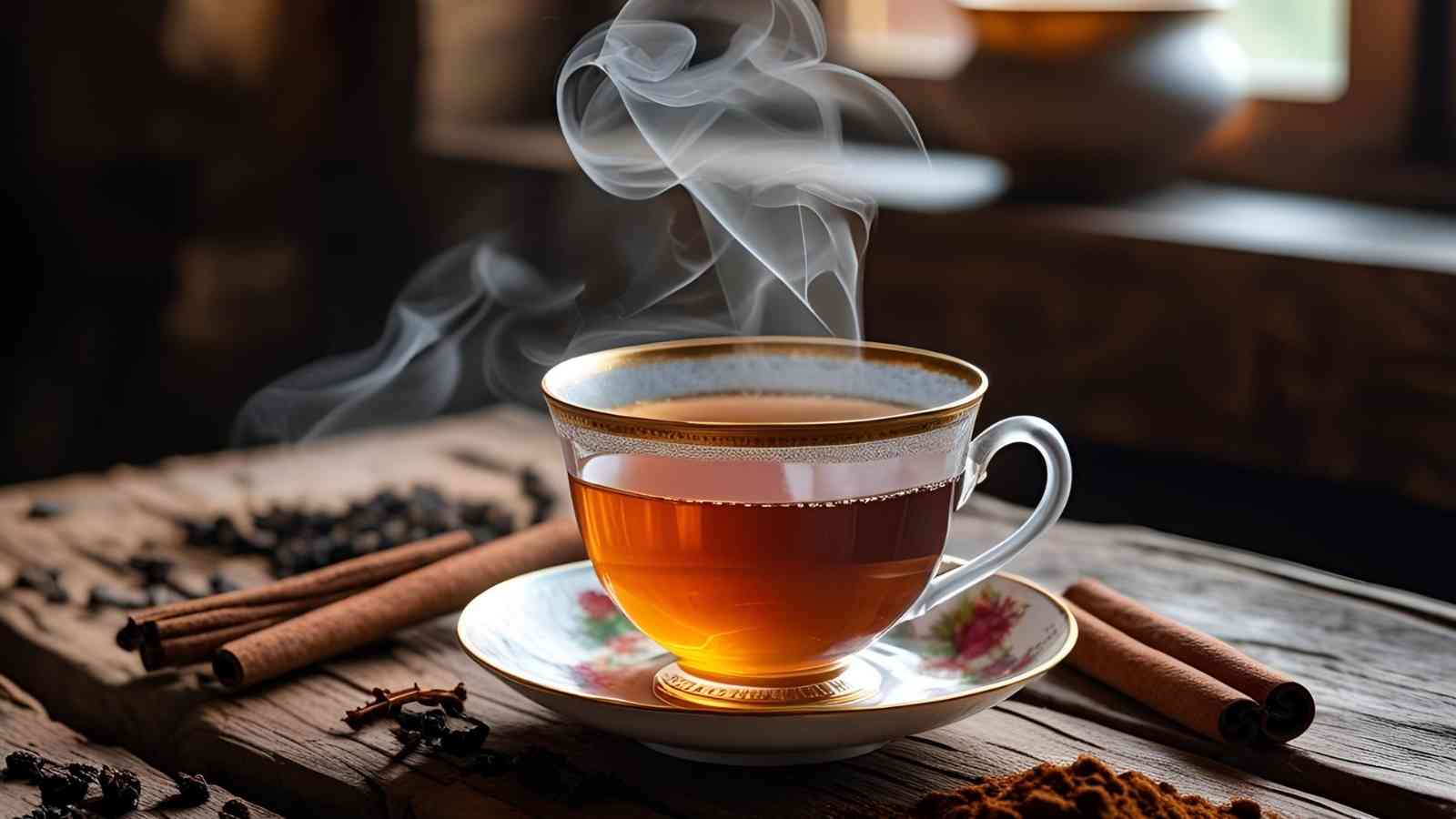
| Tea base | Assam or Yunnan |
| Cinnamon type | Ceylon cinnamon for sweetness; Vietnamese cassia for intensity |
| Flavor profile | Warm and spiced; strong autumn/winter seasonal product |
The bergamot and cinnamon combination works better than most people expect because cinnamon's warmth complements bergamot's brightness without flattening it. Use Ceylon cinnamon for a sweeter, softer result. Vietnamese cassia is spicier and more assertive—better for buyers who want a bold seasonal product.
For buyers: "Cinnamon" on an ingredient list can mean either Ceylon cinnamon (Cinnamomum verum) or cassia (Cinnamomum cassia/aromaticum)—they taste noticeably different and have different coumarin levels. Ceylon is lower in coumarin and considered safer for regular consumption in European markets, which have stricter limits. Confirm which variety your supplier uses if you're selling into the EU.
17. Earl Grey Mint
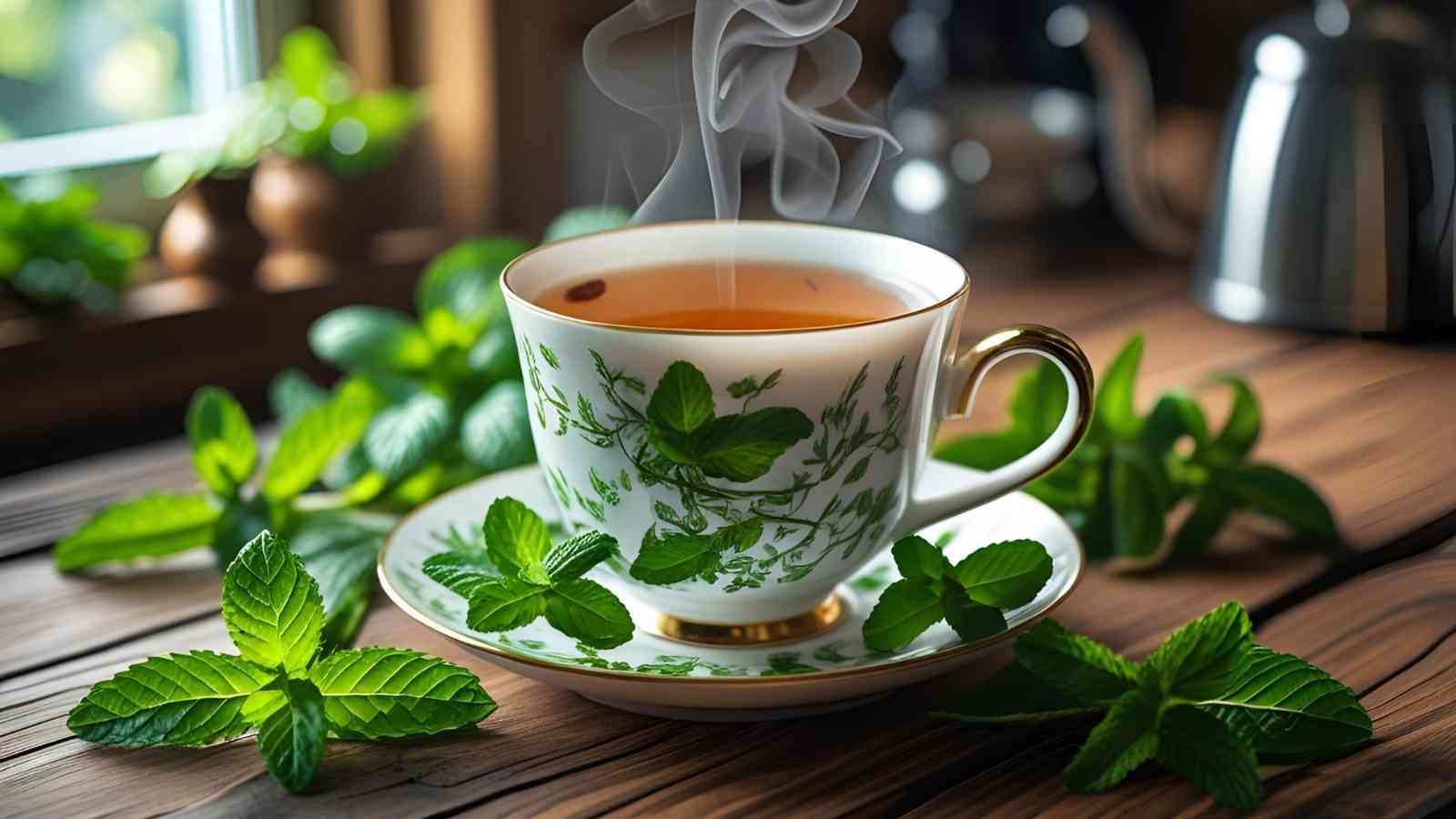
| Tea base | Ceylon or Darjeeling |
| Mint variety | Peppermint for cooling; spearmint for a gentler result |
| Best served | Hot or iced; after meals |
This is the most polarizing blend in the Earl Grey range—people either love it or find bergamot and mint too aggressive together. Spearmint is the safer choice for buyers who aren't sure about their customer base; it's less intense than peppermint and leaves more room for the bergamot to come through.
For buyers: If you're unsure whether your market will accept this combination, order a small sample quantity first before committing to volume. This blend has loyal fans but also a higher return rate than most Earl Grey variations among first-time buyers. Clearer product descriptions at retail—"mint-forward" or "refreshing/cooling"—help set the right expectations and reduce disappointment.
18. Earl Grey Lavender
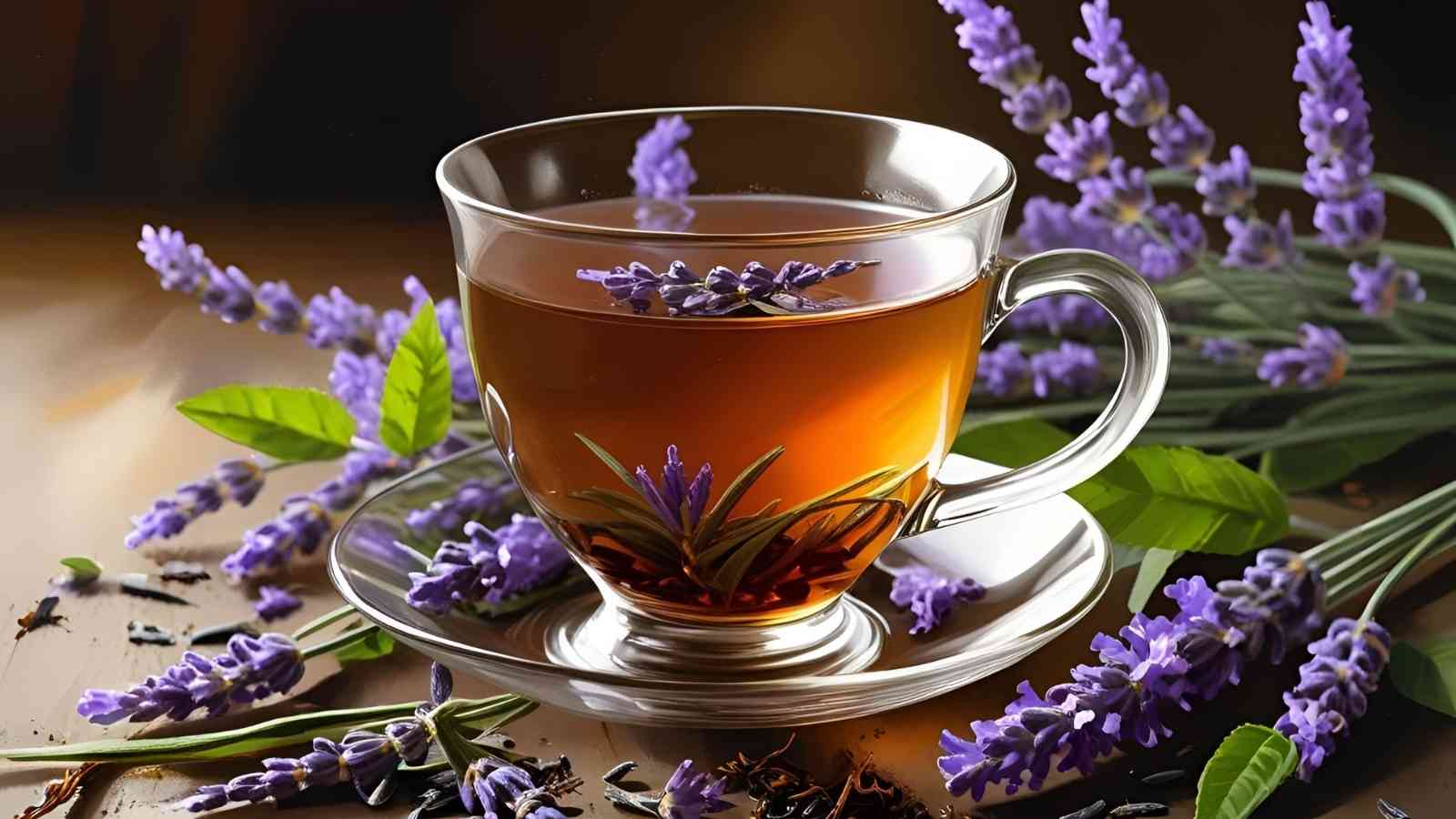
| Tea base | Darjeeling or Ceylon |
| Lavender source | Provence-grade dried buds |
| Flavor profile | Calming and aromatic; slightly sweet |
There are two distinct approaches depending on the target audience. A lower lavender ratio (2–3%) reads as "Earl Grey with a floral hint"—good for traditional Earl Grey drinkers. A higher ratio (5–7%) reads as "lavender tea with bergamot"—better for buyers targeting the wellness and relaxation segment.
For buyers: Be specific with your supplier about which direction you want—"subtle lavender" and "prominent lavender" are genuinely different products. Ask for the lavender percentage by weight and request samples at two different ratios before deciding. The right choice depends entirely on what your customers expect when they see "Earl Grey Lavender" on the label.
19. Smoky Earl Grey
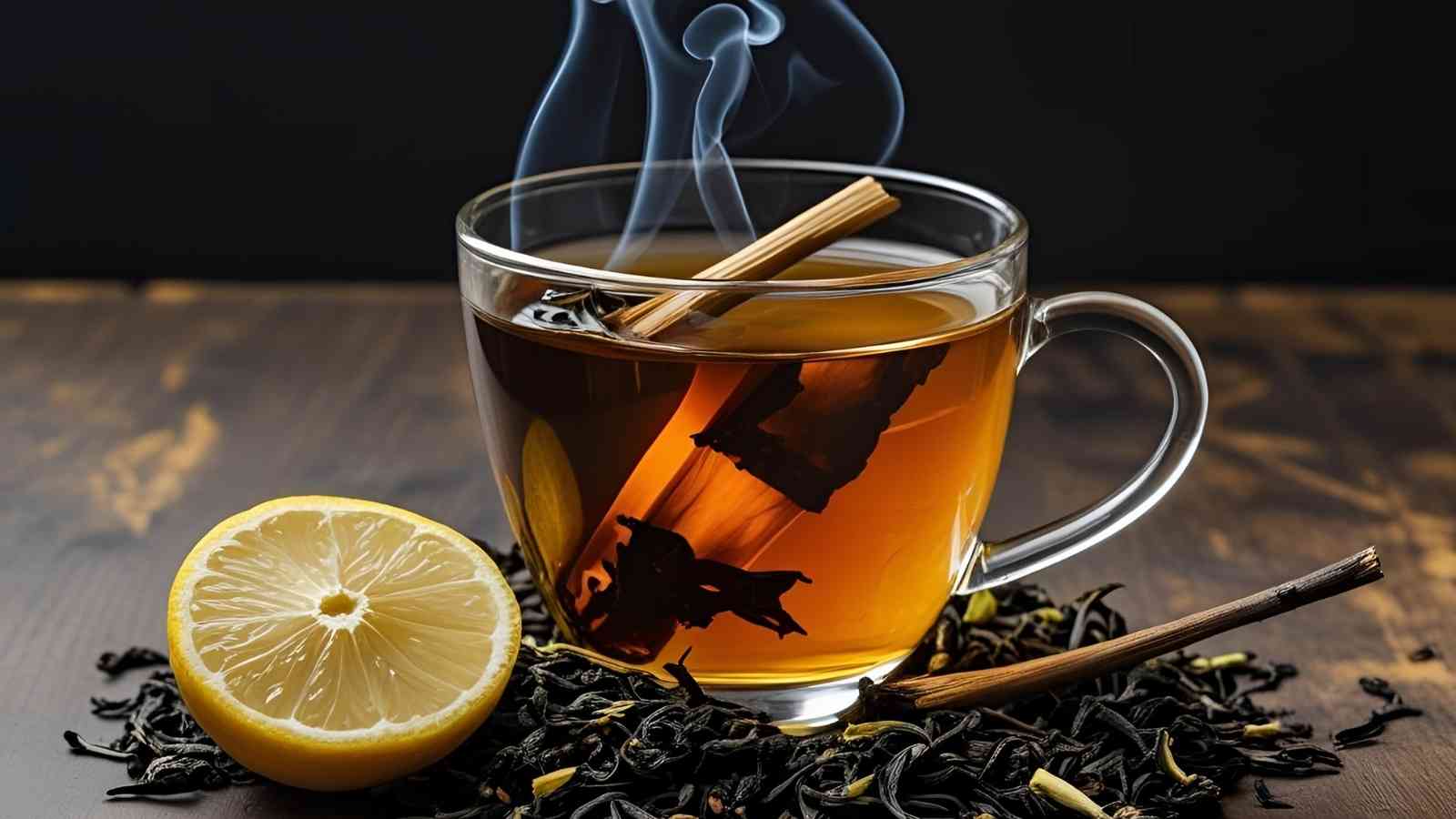
| Tea base | Lapsang Souchong (pine-smoked black tea, Wuyi Mountains) |
| Flavor profile | Campfire and citrus; unusual but compelling |
| Best served | Strong and black; or as a cocktail base |
| Market fit | Specialty retailers; gift sets; whiskey-adjacent positioning |
The smoke comes from the Lapsang Souchong base—leaves are dried over pinewood fires, giving them a distinctive campfire quality. Bergamot doesn't compete with the smoke; it actually makes the smoke smell cleaner and brighter. The combination is genuinely unusual and worth trying before dismissing.
For buyers: This sells best as part of a gift set or sampler rather than as a standalone high-volume SKU. Lapsang Souchong quality varies—cheaper versions use liquid smoke rather than actual wood-firing, which produces a harsher, more artificial result. Ask your supplier whether the Lapsang component is traditionally smoked or artificially flavored.
20. Iced Earl Grey
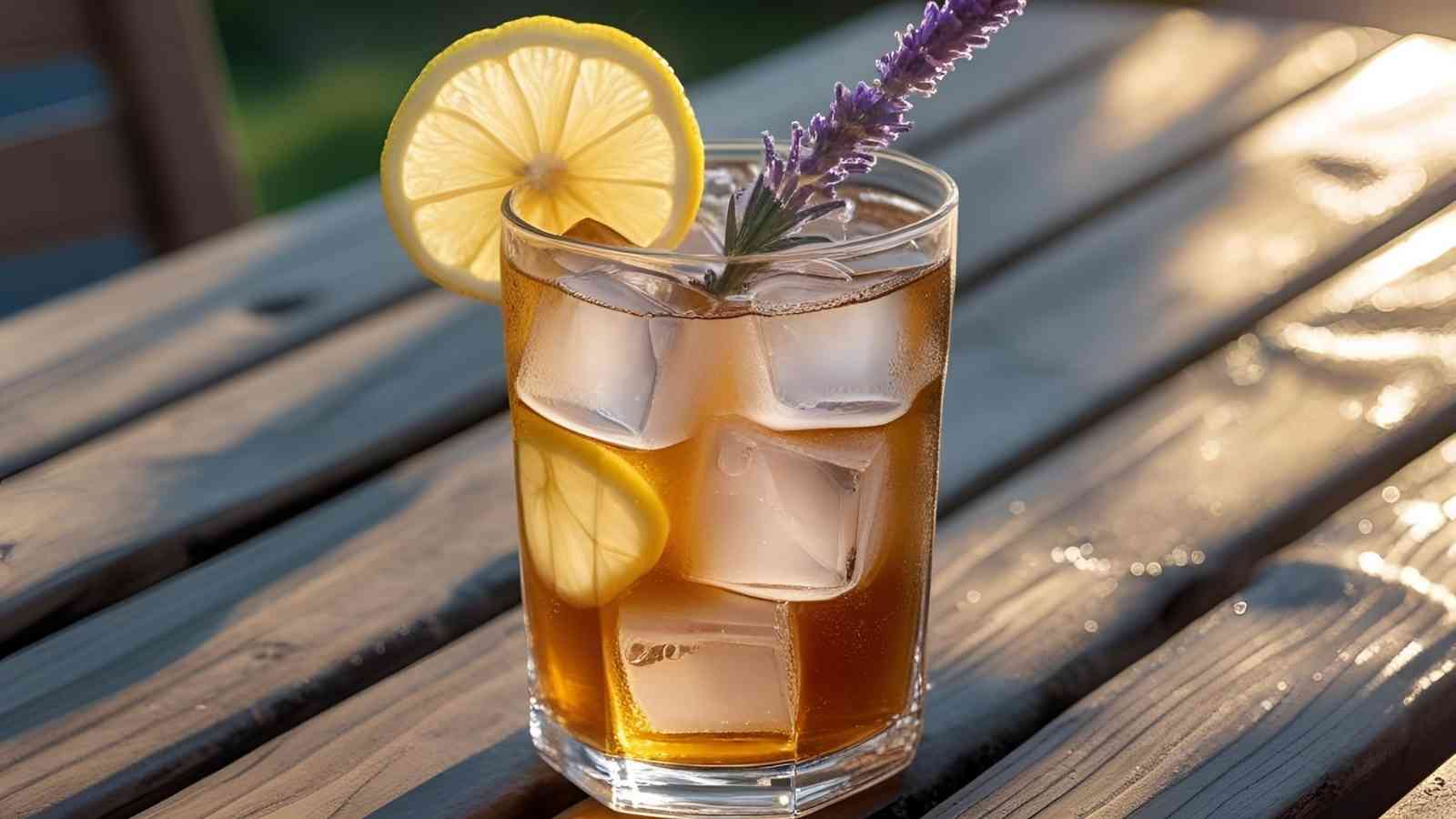
| Preparation | Double-strength hot brew poured over ice, or cold brew 8–12 hours at 4°C |
| Tea base | Ceylon or Assam (stronger base to compensate for dilution) |
| Flavor profile | Bergamot reads more vividly when cold; clean and refreshing |
Cold brewing Earl Grey produces a noticeably different result than hot-brewed-then-iced. The cold extraction is gentler—less tannin, smoother mouthfeel, and the bergamot aroma comes through very cleanly. For retail cold brew products, a 12-hour steep at 4°C is the range we most commonly recommend.
For buyers: If you're sourcing Earl Grey for an iced or cold brew application, tell your supplier upfront. The bergamot application method can affect how the oil behaves in cold liquid—some application techniques that work well for hot tea result in oily separation when chilled. This is a solvable formulation issue, but only if your supplier knows the end use before production.
What Is Earl Grey?
At its core, Earl Grey is black tea scented with bergamot—the essential oil extracted from the rind of Citrus bergamia, a small citrus fruit grown almost exclusively along the Calabrian coast of southern Italy. The fruit itself is barely edible; its value is almost entirely in its rind oil, which smells like a more complex, slightly floral version of lemon.
The quality gap between different Earl Greys comes almost entirely from bergamot quality and application method, not the tea leaf itself. Natural bergamot oil (especially from Calabria) is more expensive but significantly more complex in aroma. Synthetic bergamot is cheaper and more consistent, but typically smells one-dimensional or perfumy.
The origin story involving Charles Grey (the 2nd Earl Grey and British Prime Minister) is plausible but not verified. What's clear is that bergamot-scented tea became popular in British households during the 19th century and never really left.
Buying Earl Grey for Wholesale: What to Ask
If you're sourcing Earl Grey for resale or private label, these are the questions worth asking any supplier before committing to an order:
- Is the bergamot oil natural or synthetic? Natural = Citrus bergamia essential oil, cold-pressed from rind.
- Where is the bergamot oil sourced? Calabrian origin is the benchmark for quality and complexity.
- What is the application method? Spraying during final blending preserves volatile aroma better than drum tumbling.
- What is the shelf life post-packaging? And what packaging format does the supplier recommend for bergamot retention?
- Can I receive a sample from the actual production batch, not a pre-made demo blend? Batch consistency matters.
- What is the bergamot percentage by weight? Useful for comparing blends from different suppliers on a consistent basis.
These questions separate suppliers who understand the product from those who are simply reselling commodity tea with flavoring added.
Storing Earl Grey Properly
Bergamot oil is volatile. Heat, light, and air are its enemies. The practical rules:
- Container: Opaque, airtight—ceramic with silicone seal or dark glass jar
- Location: Cool, dark pantry; away from coffee, spices, and anything strongly scented (tea absorbs ambient odors)
- Shelf life: Bergamot notes noticeably fade after 6–12 months even with good storage
- Buy smaller quantities more frequently: Fresher tea always outperforms well-stored old tea
For buyers: For wholesale storage, the same rules apply at scale. Avoid storing Earl Grey near other strongly flavored teas or products—the bergamot oil can migrate to adjacent products in a warehouse environment, and other scents can contaminate the Earl Grey in return. Sealed, opaque packaging with desiccant is the minimum for bulk storage over three months.
Brewing Guide by Earl Grey Type
| Earl Grey Type | Water Temperature | Steep Time | Notes |
|---|---|---|---|
| Classic / Intense / Cream | 95–100°C / 203–212°F | 3–4 min | Can handle milk; intense version recommended for lattes |
| Russian / Cinnamon / Smoky | 95–100°C / 203–212°F | 4–5 min | Longer steep develops the spice and smoke depth |
| Green Earl Grey | 75–80°C / 167–176°F | 2–3 min | Do not overbrew—bitterness develops quickly |
| White Earl Grey | 80°C / 176°F | 2–3 min | Delicate; no milk; multiple steeps possible |
| Pu-erh Earl Grey | 95–100°C / 203–212°F | 3–4 min | Multiple steeps possible; flavor evolves each round |
| Iced Earl Grey (hot method) | 100°C / 212°F | 5 min at double leaf quantity | Pour immediately over ice; do not let cool first |
| Iced Earl Grey (cold brew) | Cold / 4°C / 39°F | 8–12 hours | Smoother and less tannic than hot method; bergamot very clear |
FAQ
Q: What's the difference between Earl Grey and Lady Grey?
Lady Grey is a trademarked Twinings blend that adds lemon peel and orange peel alongside bergamot, on a lighter base than classic Earl Grey. Generic "Earl Grey Cream" is the closest widely available equivalent—softer and more citrus-rounded than classic. Other brands use the "Lady Grey" name loosely to mean a lighter, more floral Earl Grey, but technically it refers to the Twinings formulation.
Q: Which Earl Grey has the strongest bergamot flavor?
Earl Grey Intense by design. Among standard retail blends, Twinings The Earl Grey and Fortnum & Mason Earl Grey are known for stronger bergamot concentration than most supermarket own-label versions.
Q: Is it safe to drink Earl Grey every day?
Moderate daily consumption (2–3 cups) is generally fine. Bergamot contains bergapten, a compound that in very high doses can cause muscle cramps—but this is only documented as a concern at 10+ cups daily over extended periods. Normal consumption is not a concern for most people.
Q: What does Starbucks use for London Fog?
Teavana Earl Grey Creme blend—bergamot, vanilla, and lavender on a black tea base. The vanilla component is what makes it work particularly well in steamed milk without the bergamot being lost.
Q: What's the difference between loose leaf and teabag Earl Grey quality?
Teabag-format Earl Grey typically uses smaller leaf particles (fannings or dust) that brew faster but lose bergamot volatiles more quickly during storage. Loose leaf allows for larger leaf pieces and better aroma retention. For retail premium positioning, loose leaf consistently outperforms teabag in blind taste tests—though the convenience trade-off is real for most consumers.
For buyers: If you're offering both loose leaf and teabag formats, don't assume the same blend works equally well in both. Teabag format requires slightly higher bergamot application to compensate for the smaller surface-area leaf and faster flavor loss. Ask your supplier whether their Earl Grey formulations are optimized by format, or whether they use the same blend for both.